
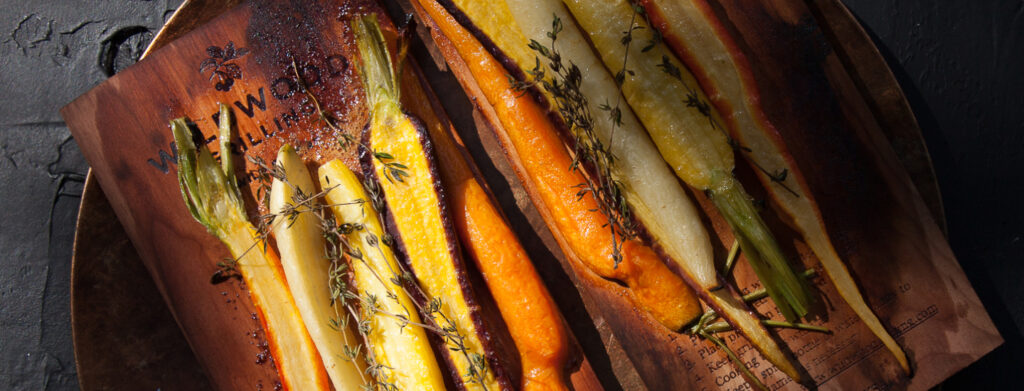
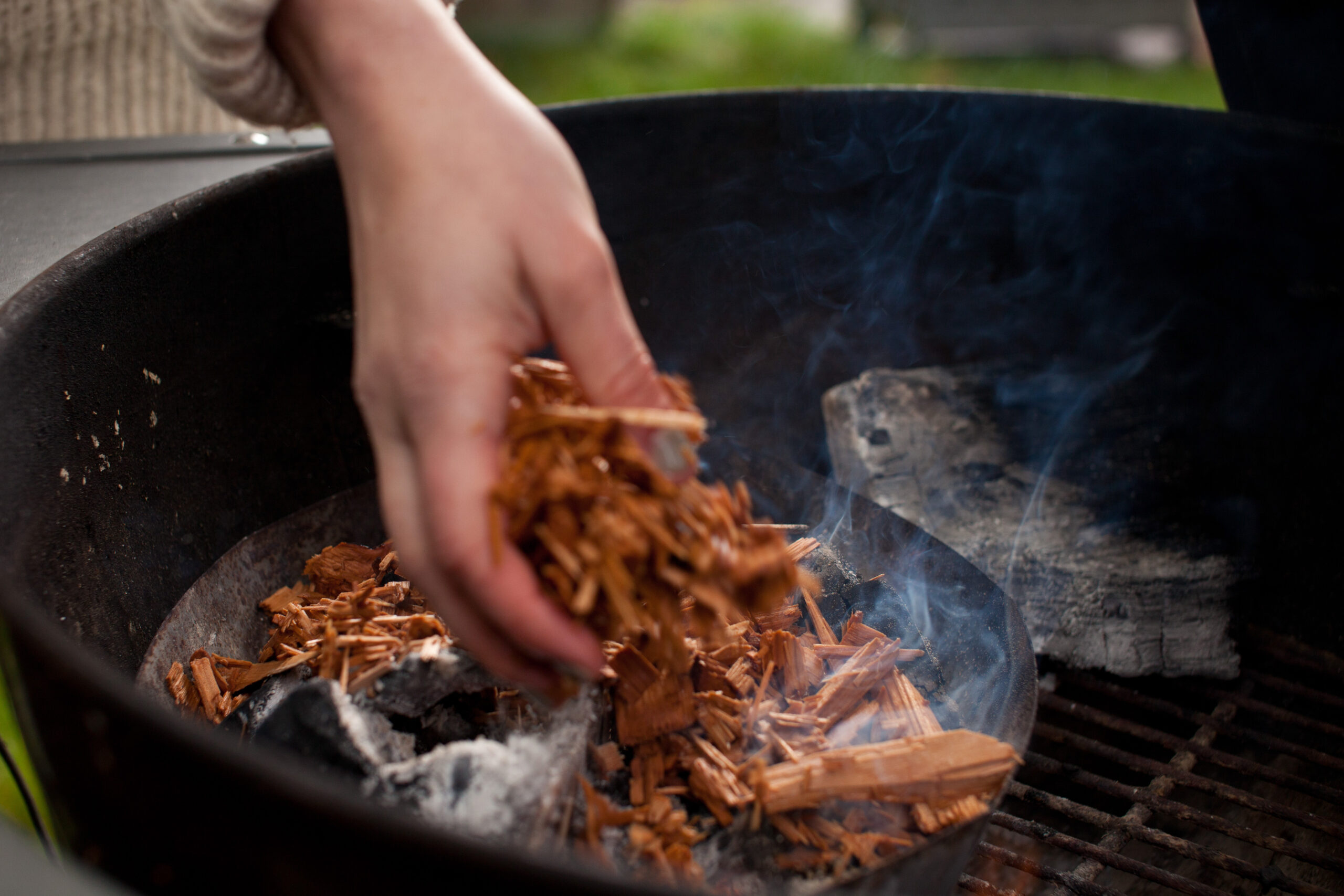
Here in the United States, the cooking method we know as “grilling” in its simplest terms, could be defined as putting your ingredients on a charcoal or gas grill until cooked.
I’d like to take a look at what that means from an international perspective and how “grilling” is defined in other cultures.
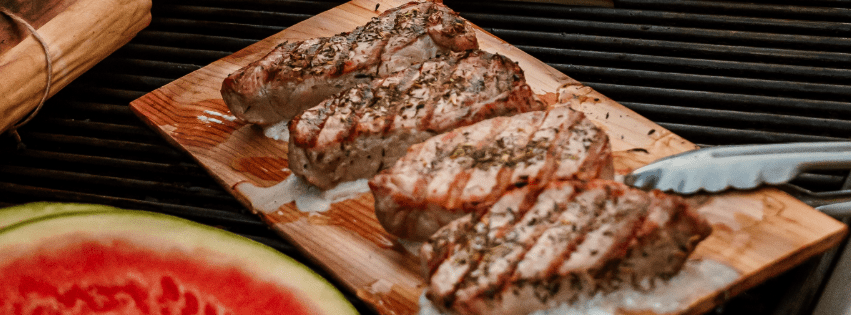
When it comes to it, the origin of all cooking comes from food prepared over an open flame, typically fueled by wood, but certainly not always. Over time, this has evolved and been shaped by factors like available ingredients, fuel types, equipment, and environment.
I come from the United Kingdom, where grilling is not a term at all, and this type of cooking is rather known as barbecue, which adds a level of inaccuracy to the long-lasting tradition of American BBQ and what it means. Here are some cultural takes on what we know as grilling.
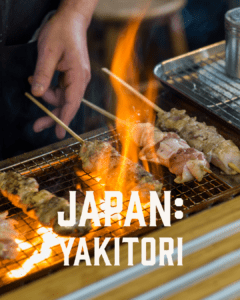
Japanese yakitori involves meat carefully skewered and cooked over a traditional charcoal known as “binchotan.” Yakitori requires consistent monitoring by the cook and results in a well-seasoned, juicy, and smoky bite. In Japan, a similar style of cooking vegetables and seafood is known as “robatayaki.”
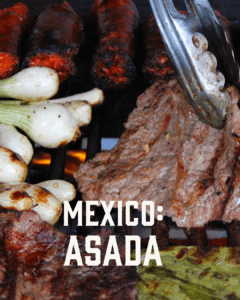
In Mexico, “asada” is a style of grilling that comes with incredible accompaniments like tortillas, limitless salsas, and sauces. I was recently in Oaxaca, where traditionally dried crickets, or chapulines, are introduced to a meal as the “crunchy” element (yes, I tried them). Asada, cooked over wood or charcoal, is heavily seasoned with local ingredients, so styles vary across the country.
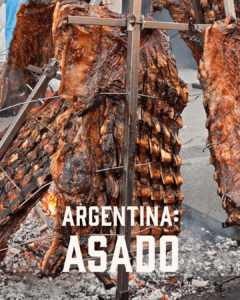
Argentinian Asado is rooted around social, group events and typically involves cuts of meat, simply seasoned with salt and intended for sharing. Beef is prominent in Argentina, so Asado primarily consists of large cuts cooked over a “Parilla” wood-fired grill.

In South Africa, outdoor cooking over an open flame is known as “Braii.” Typically using charcoal and wood, Braii is also meat-centric and features lamb, steaks, fish, and the traditional Boerewors sausage, seasoned with spices like clove and nutmeg and then formed into a tight coil. Meats are often served alongside a stew or soup cooked over the fire in a cast-iron pot called a Potje (poy-kee) pot.

Aussie BBQ is well known and well suited to the climate. I had the pleasure of sampling some “snags” (sausages) myself recently and saw what all the hype is about. Lamb, seafood, and steaks are the go-to meats for Australian BBQ, cooked over gas or charcoal and often paired with light beer. Just like in the US, grilling in Australia can be applied to large groups as well as just a weekday meal.
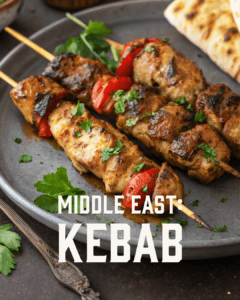
Kebabs of the Middle East usually consist of lamb, beef, chicken, and seafood. Heavily seasoned and cooked over charcoal, Middle Eastern grilled items are typically served with grain salads, chili sauces like “harissa,” and plenty of sweet tea.
During a recent trip to the Middle East, I found myself purchasing my meat from a stall adjacent to a seating area, where I then paid a young man to grill it right there on the side of the road. A server soon arrived with all the accompaniments. It was a fascinating experience and a far cry from what we have come to expect from restaurant service on this side of the world.
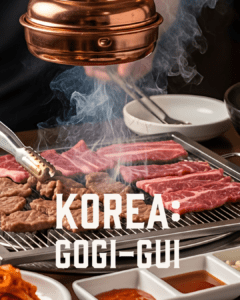
Korean barbecue is not new to the US. In Korea, it is known as “gogi-gui.” Intended as an interactive way to dine, a gas or charcoal grill is affixed to the center of the table, and diners prepare the raw ingredients without leaving their seats. The grilled meat and fish are then wrapped in lettuce leaves, ready to eat. Typical delicious Korean accompaniments like gochujang chili sauce and multiple varieties of kimchi are always ready tableside.

Indigenous people of the Pacific Northwest cooked salmon and trout on the original grilling planks made from Western red cedar and alder woods. This introduced both flavor and helped preserve the fish for longevity.
There are plenty more grilling styles that we have not touched on today, and that is one of the beauties of outdoor cooking. It can be simple or complex, and it is often soaked in history and tradition.