

Stewards of the Land
Being a good steward of the land isn’t a marketing line for us – it’s a manufacturing constraint we design around. The goal we work toward is using every bit of wood fiber that comes through the mill. We are chasing 100% fiber utilization, and it shapes how we cut, sort, and what we do with what’s left.
What doesn’t become a grilling plank becomes something else:
- Trim and short ends → smaller plank sizes, kindling, shop fixtures like display shelving…
- Sawdust and shavings → animal bedding for livestock and farms, and our all-natural Wildwick firestarters…
- Off-spec boards → seconds sold through our outlet rather than scrapped…
The sawdust stream matters more than it sounds. Burning residuals for heat is the easy answer, and it’s the one most mills default to. We’d rather find the byproduct a second life first (bedding a barn floor or lighting someone’s fire) and keep the fiber working instead of turning it into smoke.
Location Is a Sustainability Decision
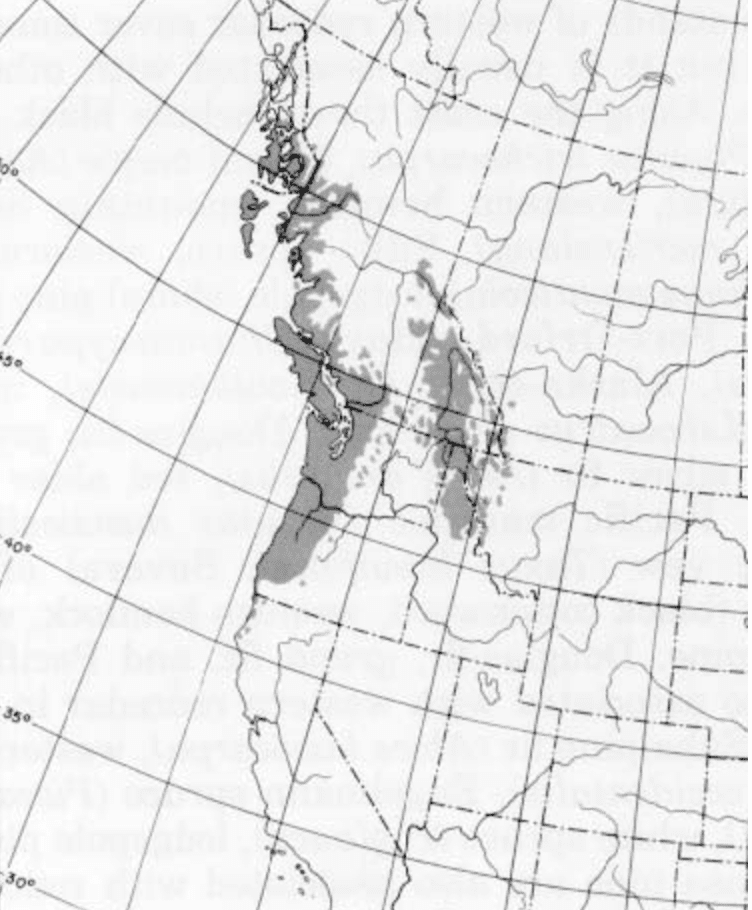
We’re in the Idaho panhandle, in the middle of the botanical range for Western Red Cedar and most of the other species we mill. That’s not an accident.
Sourcing wood that grows near the mill cuts the fuel burned moving raw material – the single largest transportation footprint in this category. Companies that mill outside the growing range are shipping heavy, wet wood across the country before a single plank gets cut.
We use Western Red Cedar specifically for its aroma, durability, low density, and consistent grain. There are other cedars. This is the one worth cooking on.

Certified, and Specific About It
“Sustainable” means nothing without a third party checking. Ours are:
- Forest Stewardship Council (FSC): chain-of-custody certification verifying our wood is traceable to responsibly managed forests
- Sustainable Forestry Initiative (SFI): independent certification of responsible forest sourcing standards
- Good Manufacturing Practices (GMP): food-safety standard governing how our facility handles a product that touches your dinner
The first two cover where the wood comes from. The third covers what happens to it after. Both matter for a product that goes directly under your salmon.
Why Food-Safe Matters on a Grill
A grilling plank is cookware. It sits in direct contact with food at high heat.
Untreated is not the same as food-safe. Plenty of lumber is milled with equipment lubricants, anti-stain chemicals, or treatments that were never evaluated for food contact. Ours is milled, kiln-dried, and packaged under a food-safety program from log to box.
We didn’t invent smoke or fire. We did figure out how to deliver both without anything else coming along for the ride.
Shop our sustainably sourced cedar planks →
THE WILDWOOD EXPERIENCE